Wednesday, December 11, 2024
Remote chat jobs that require minimal supervision

Remote Chat Jobs Requiring Minimal Supervision: A Comprehensive Guide
The burgeoning landscape of remote work offers a wealth of opportunities, and among the most appealing are remote chat jobs that demand minimal supervision. These roles provide flexibility, autonomy, and the potential for substantial income, making them attractive to a wide range of individuals. This comprehensive guide explores various remote chat job types, the skills required, the benefits and challenges, and strategies for securing these highly sought-after positions.
Types of Remote Chat Jobs with Minimal Supervision
The spectrum of remote chat jobs offering minimal supervision is surprisingly broad. While the core function involves real-time text-based communication, the specific tasks and industries vary greatly.
Customer Service Representatives
Many companies utilize remote chat agents to handle customer inquiries, troubleshoot issues, and provide support. While some roles involve close monitoring, many prioritize self-sufficiency and problem-solving capabilities. Independent decision-making is often crucial, as agents must resolve customer issues without constant oversight. These roles often require familiarity with CRM systems and ticketing platforms.
Online Tutors and Educators
Providing online tutoring or educational support through chat interfaces offers significant flexibility and minimal supervision. This field encompasses a vast range of subjects, from elementary school math to advanced university-level courses. Subject matter expertise and strong communication skills are paramount. Successful tutors often manage their schedules and student interactions with minimal external guidance.
Technical Support Specialists
Remote technical support roles frequently involve minimal supervision, particularly for experienced technicians. These roles demand a deep understanding of software, hardware, or specific technologies. Troubleshooting skills and the ability to diagnose and resolve technical problems independently are critical. Company-provided documentation and internal knowledge bases often replace direct management oversight.
Social Media Moderators
Monitoring social media platforms for inappropriate content, spam, or violations of community guidelines is another area offering remote positions with relatively limited supervision. Strong judgment, attention to detail, and familiarity with social media best practices are essential. These roles often require independent decision-making regarding content moderation and user interactions.
Virtual Assistants (with Chat Focus)
While virtual assistants perform diverse tasks, some focus heavily on communication via chat. This might involve scheduling appointments, managing emails, answering inquiries, and acting as a primary point of contact for clients. Strong organizational skills, excellent communication, and the ability to prioritize tasks are vital for success. Often, clients value the autonomy and independent work style these roles provide.
Live Chat Operators for Businesses (e.g., E-commerce)
E-commerce businesses frequently employ live chat operators to guide customers through their online shopping experience. This involves answering product questions, assisting with purchases, and providing order tracking information. Product knowledge, strong communication skills, and the ability to handle multiple simultaneous chats are highly sought-after skills.
Essential Skills for Success in Minimally Supervised Remote Chat Jobs
Securing and excelling in these roles requires a specific blend of hard and soft skills. The ability to work independently is paramount, but several other competencies are equally critical:
- Excellent written communication skills: Clear, concise, and professional written communication is fundamental to success in all chat-based roles.
- Strong problem-solving abilities: The ability to diagnose and resolve issues independently is crucial, particularly in roles with minimal supervision.
- Time management and organization: Effectively managing time and prioritizing tasks is essential to maintain productivity and meet deadlines.
- Tech proficiency: Familiarity with various software and platforms used in remote work is essential, including chat applications, CRM systems, and ticketing platforms.
- Adaptability and flexibility: The ability to adjust to changing situations, unexpected problems, and diverse customer needs is crucial.
- Self-discipline and motivation: Working independently requires exceptional self-discipline and the ability to stay motivated without constant external direction.
- Professionalism and etiquette: Maintaining a professional demeanor and adhering to communication etiquette are essential for building rapport with clients or customers.
- Active listening and empathy: Understanding and responding to the needs and concerns of customers or clients requires active listening and empathy.
Benefits and Challenges of Minimally Supervised Remote Chat Jobs
While these roles offer many advantages, they also present specific challenges.
Benefits
- Flexibility and autonomy: Set your own hours and work from anywhere with a reliable internet connection.
- Work-life balance: Better control over your schedule and the ability to integrate work into your personal life.
- Potential for high income: Depending on the role and experience, earnings can be substantial.
- Career progression: Many remote chat jobs offer opportunities for advancement and skill development.
- Reduced commuting time and costs: Eliminate daily commutes and associated expenses.
Challenges
- Isolation and loneliness: Working independently can lead to feelings of isolation if not actively addressed.
- Self-discipline required: Maintaining productivity and focus without direct supervision requires strong self-discipline.
- Technical issues: Reliance on technology means that technical problems can significantly impact productivity.
- Managing distractions: Working from home requires effective strategies to minimize distractions and maintain focus.
- Inconsistent income (for some roles): Some freelance or contract-based roles may offer less consistent income than traditional employment.
Finding Remote Chat Jobs with Minimal Supervision
Securing these positions requires a proactive approach. Consider the following strategies:
- Online job boards: Utilize platforms like Indeed, LinkedIn, and specialized remote job boards.
- Company websites: Check the career pages of companies known to offer remote positions.
- Freelance platforms: Explore platforms such as Upwork and Fiverr for freelance chat-based opportunities.
- Networking: Connect with professionals in your field and leverage your network to uncover hidden job opportunities.
- Tailor your resume and cover letter: Highlight relevant skills and experience that demonstrate your ability to work independently and handle responsibilities with minimal supervision.
In conclusion, remote chat jobs offering minimal supervision represent a significant opportunity for those seeking flexibility, autonomy, and potentially high earnings. By cultivating the necessary skills, understanding the benefits and challenges, and employing effective job search strategies, individuals can successfully navigate this dynamic and rewarding field.

Wednesday, November 20, 2024
Do I Need Certification to Apply for Remote Chat Jobs?

Do I Need Certification to Apply for Remote Chat Jobs?
Hey there! So you're thinking about diving into the world of remote chat jobs? That's awesome! It's a fantastic way to work from anywhere, set your own hours (often), and connect with people. But before you start crafting your killer resume, you might be wondering about something super important: do you need any certifications? The short answer is... it's complicated! Let's unpack this together.The Truth About Certifications for Remote Chat Jobs
The truth is, certifications aren't always a *requirement* for remote chat jobs, but they can seriously boost your chances. Think of them as a superpower that sets you apart from the competition. Many companies will gladly hire someone with amazing communication skills and a great attitude, even without formal training. However, a certification shows you’ve put in the extra effort to learn the ropes, demonstrating a commitment to excellence. It’s like adding a shiny gold star to your resume!
Types of Remote Chat Jobs and Their Certification Needs
The need for certifications really depends on the *type* of remote chat job you're aiming for. Let’s break down some common roles:
Customer Service Chat Representatives
For basic customer service chat roles, a certification isn't usually a must-have. Companies often prioritize strong communication, problem-solving skills, and a positive attitude. However, certifications in customer service or related fields (like conflict resolution) can definitely give you an edge. Think of it as showing extra dedication and a proactive approach to learning.
Technical Support Chat Representatives
This is where things get a little different. Technical support often requires a deeper understanding of specific software, hardware, or systems. While not always mandatory, certifications related to the technologies you’ll be supporting (like CompTIA A+, Network+, or specific vendor certifications) can significantly improve your application. These certifications validate your technical knowledge and prove you’re capable of handling complex issues.
Social Media Moderators
For social media moderation roles, certifications aren’t typically required. However, a background in communications, journalism, or social media management could be beneficial. Experience managing online communities or dealing with difficult online interactions is usually more valuable than a specific certification.
Live Chat Sales Representatives
In sales, a certification in sales or marketing can be advantageous but is rarely mandatory. However, proven sales experience and a demonstrable track record of success often outweigh the need for formal certification. Skills like closing deals, handling objections, and building rapport are highly valued.
What Certifications Could Help?
Okay, so you’re convinced that a certification could be a game-changer. But which ones should you consider? It depends on the type of job, but here are some popular and relevant options:
- Customer Service Certifications: These often cover topics like communication skills, conflict resolution, and customer relationship management (CRM). Look for certifications from reputable organizations like the Customer Service Institute.
- Technical Support Certifications: CompTIA A+, Network+, Security+, and vendor-specific certifications (like Cisco, Microsoft, etc.) are highly valued in technical support roles. These prove your technical expertise.
- Sales Certifications: Certifications from organizations like Salesforce, HubSpot, or the American Marketing Association can boost your sales resume. These demonstrate your understanding of sales principles and techniques.
- Communication and Interpersonal Skills Certifications: While not directly related to specific software or hardware, certifications focused on improving communication skills can be incredibly beneficial in any chat-based role. Look for those focused on active listening or conflict resolution.
Remember, the value of a certification isn't just about the piece of paper. The process of gaining the certification demonstrates your commitment to learning and professional development, which hiring managers appreciate.
Beyond Certifications: What Employers Really Want
Even with a shiny new certification, your application won't be a guaranteed winner if you're lacking in these key areas:
- Excellent Communication Skills: This is paramount! You need to be able to write clearly, concisely, and professionally, even under pressure.
- Problem-Solving Skills: You'll need to be able to quickly identify and resolve customer issues, even if you’ve never encountered them before.
- Typing Speed and Accuracy: Fast and accurate typing is essential for keeping up with the demands of a chat-based job.
- Tech Savviness: Familiarity with various software and platforms is helpful, particularly for technical support roles. Basic computer literacy is also essential for any remote job.
- Patience and Empathy: Dealing with frustrated or upset customers requires a calm and understanding approach.
Focusing on these skills, alongside any relevant certifications, will make your application much more competitive.
The Bottom Line
While certifications aren't always required for remote chat jobs, they can be a significant advantage. They demonstrate your commitment to professional development and provide concrete evidence of your skills. However, don't let the lack of a certification discourage you! Excellent communication skills, problem-solving abilities, and a positive attitude are just as important, if not more so, in many cases. Focus on building your skills and experience, and the right opportunities will come your way!
Frequently Asked Questions
Here are some common questions I get about certifications for remote chat jobs:
Q: Are certifications expensive?
A: The cost varies significantly depending on the certification and the organization offering it. Some are free or relatively inexpensive, while others can be quite costly. Do your research before committing.
Q: How long does it take to get a certification?
A: The time commitment also depends on the certification. Some can be completed in a few hours, while others require weeks or even months of study and preparation.
Q: Can I get a remote chat job without *any* experience?
A: While experience is always helpful, many companies are willing to train entry-level candidates with strong communication skills and a positive attitude. However, having some kind of experience â€" volunteering, part-time jobs, or even personal projects â€" can make you stand out.
Q: Which certification should I choose?
A: The best certification for you will depend on the specific job you’re applying for. Research the requirements for different remote chat jobs and choose a certification that aligns with those needs.
Q: Are there free certifications available?
A: Yes, there are some free or low-cost online courses and certifications that can help you improve your skills and make your resume more competitive.
I hope this helps! Good luck with your job search!Remote Chat Jobs: Prepare with These Needed Essentials

Remote Chat Jobs: Prepare with These Needed Essentials
Hey there! So you're thinking about diving into the world of remote chat jobs? Awesome! It's a fantastic way to earn a living, offering flexibility and often a pretty decent work-life balance. But before you start envisioning yourself lounging in pajamas all day, typing away to your heart's content, let's talk about the essentials you'll need to really succeed. It's not just about showing up; it's about showing up *prepared*.Tech You'll Need: More Than Just a Laptop
Let's be honest, you can't chat without the right tools. Think of it as your virtual toolbox. A good remote chat job requires a reliable setup. This isn't just about having a laptop; it's about having a reliable and efficient setup. Here's what you need:
The Hardware Heroes:
First up, your computer. A laptop or desktop â€" whichever you prefer. But make sure it's relatively new, reasonably powerful, and reliable. Lagging computers translate to frustrated customers and unhappy bosses. Nobody wants that!
Next, a reliable internet connection is non-negotiable. Forget dial-up; we're talking high-speed, consistent internet that can handle video calls (if required) and constant data transmission without hiccups. Consider a wired connection for the most stable experience â€" fewer dropped calls and smoother interactions.
Don't forget a good quality headset! This is key for clear communication. A cheap headset will lead to muffled voices, missed words, and general frustration. Invest in one with a decent microphone; your ears (and your customers!) will thank you. Noise-canceling is a plus, especially if you're working from home with pets or other noise distractions.
Finally, consider a separate keyboard and mouse. While your laptop's built-in ones might work, a dedicated setup can dramatically improve comfort and efficiency, especially during long chat sessions.
Software Savvy:
Beyond the hardware, you'll need the right software. This usually involves:
- Chat software: This will vary depending on the job. You might use Zendesk, Intercom, LiveChat, or something else entirely. Familiarizing yourself with different chat platforms is a valuable skill.
- CRM software: Customer Relationship Management (CRM) software helps you track customer interactions and maintain organized records. Popular choices include Salesforce, HubSpot, and Zoho CRM.
- Email client: You'll likely need a reliable email client for communication with supervisors, colleagues, or customers. Gmail, Outlook, and others are common choices.
- Note-taking software: Evernote, Google Keep, or even a simple text document â€" having a system for taking notes efficiently will keep you organized and ensure you're providing consistent help to customers.
Skills You'll Need: Beyond Just Typing Fast
Typing speed is definitely helpful, but it’s only one piece of the puzzle. Successful remote chat agents possess a wider range of skills:
Communication Prowess:
Clear and concise writing: You'll need to communicate effectively in a text-based format. Avoid jargon and overly complex sentences. Your goal is to convey information accurately and efficiently.
Active listening (even though it's text-based!): You need to carefully read and understand the customer's message before formulating your response. This means paying attention to the nuances of their language and tone. Don't just respond; *understand*.
Empathy and patience: Customers often reach out when they're frustrated. Maintaining a calm, empathetic tone is crucial, even when dealing with difficult situations. Remember, you're the company's face in that moment.
Problem-solving skills: You'll be handling customer inquiries, and many will involve solving issues. A knack for identifying the root of a problem and finding a solution is essential.
Technical Know-How:
Depending on the job, you might need a basic understanding of the product or service you're supporting. This might involve technical troubleshooting, understanding software functionality, or navigating company systems.
Organizational Skills:
Managing multiple chats simultaneously, keeping track of customer information, and staying organized are crucial for efficiency and minimizing errors. Good time management is also vital.
Setting the Stage: Your Work Environment
Your workspace matters! A comfortable, organized, and distraction-free environment significantly impacts your productivity and well-being. Consider these points:
- Dedicated workspace: Try to have a specific area designated for work, even if it's just a corner of a room. This helps mentally separate work time from relaxation time.
- Ergonomics: Set up your workstation to minimize strain on your body. Proper posture, comfortable seating, and proper lighting are crucial for long-term comfort and preventing injuries.
- Minimize distractions: Turn off social media notifications, let family members know when you're working, and find ways to reduce noise interruptions.
- Lighting and temperature: Ensure your workspace is well-lit and has a comfortable temperature. These factors significantly affect your focus and energy levels.
Continuous Learning: Staying Ahead of the Curve
The tech world constantly evolves. To stay competitive, continuous learning is vital. Regularly update your skills by taking online courses, attending webinars, or reading industry blogs. Familiarize yourself with new chat software, techniques, and customer service best practices. Many companies will provide training, but taking initiative shows dedication and increases your value.
Frequently Asked Questions
Q: Do I need a college degree for a remote chat job?
A: Not necessarily! While some higher-paying roles might prefer candidates with degrees, many entry-level positions prioritize skills and experience over formal education.
Q: How much can I earn?
A: Salaries vary significantly depending on experience, location, company, and industry. Research specific job postings to get a better sense of the potential earnings.
Q: How do I find remote chat jobs?
A: Use job boards like Indeed, LinkedIn, and Glassdoor, and also check company websites directly. Networking is also very helpful!
Q: What if I make a mistake?
A: Everyone makes mistakes! The key is to learn from them, and most companies understand that. Focus on improvement and providing the best possible service in the future.
Q: How do I handle difficult customers?
A: Stay calm, listen empathetically, and try to find a solution. If the situation becomes unmanageable, follow your company's protocol for escalating the issue to a supervisor.
There you have it! Preparing for a remote chat job takes effort, but with the right tools, skills, and mindset, you can build a successful and fulfilling career. Good luck!
What Are the Common Challenges in Remote Chat Jobs?

Navigating the Nuances: Common Challenges in Remote Chat Jobs
The allure of working from home, setting your own hours, and chatting with people all day sounds idyllic. However, the reality of a remote chat job, whether it's customer service, technical support, or online tutoring, presents a unique set of challenges. While the flexibility is a significant draw, successfully navigating these hurdles requires self-discipline, adaptability, and a proactive approach to problem-solving. Let's delve into some of the most common difficulties faced by remote chat agents.
The Isolation Factor: Combating Loneliness and Maintaining Connection
One of the biggest hurdles for many remote chat agents is the inherent isolation. Unlike office jobs, where colleagues are readily available for quick chats and spontaneous collaborations, remote work often leads to feelings of loneliness and disconnection. This lack of social interaction can negatively impact morale and productivity. Successfully managing this challenge requires proactive efforts.
Strategies for Combating Isolation
- Schedule regular virtual coffee breaks with colleagues to maintain a sense of camaraderie.
- Utilize online communication tools beyond work-related channels to engage in informal conversations.
- Actively participate in online communities related to your profession or interests.
- Make a conscious effort to interact with family and friends outside of work hours.
Building a strong support network, both professional and personal, becomes crucial for mitigating the isolating aspects of remote work. Remember that proactively combating loneliness is an investment in your overall well-being and job performance.
Maintaining Focus and Productivity in a Distracting Environment
Working from home offers unprecedented flexibility, but this flexibility can also be a double-edged sword. The allure of household chores, family demands, or simply the comfort of your couch can easily derail your productivity. Staying focused requires a high degree of self-discipline and a well-structured workday.
Tips for Boosting Productivity
- Create a dedicated workspace free from distractions.
- Establish a clear schedule with defined work hours and stick to it.
- Utilize productivity tools and techniques like the Pomodoro method.
- Communicate your work schedule clearly to family members to minimize interruptions.
By implementing strategies to create a productive work environment and manage your time effectively, you can overcome the challenges of maintaining focus and achieving your daily goals. Remember, a structured approach is key to success in a remote setting.
Technical Difficulties and Communication Barriers
Remote chat jobs are heavily reliant on technology. Internet outages, software glitches, and equipment malfunctions can significantly impact your ability to perform your duties. Moreover, relying solely on text-based communication can lead to misinterpretations and misunderstandings. Effective problem-solving and clear communication are essential to navigating these challenges.
Mitigating Technical and Communication Issues
- Ensure you have a reliable internet connection and backup options.
- Regularly update your software and hardware to minimize technical glitches.
- Develop strong written communication skills, using clear and concise language.
- Utilize tools that facilitate better communication, such as screen sharing or video calls when necessary.
Proactive measures to maintain a stable technological setup and develop strong written communication skills can significantly minimize the impact of technical difficulties and communication barriers, ultimately contributing to a more successful and enjoyable remote work experience.
Tuesday, November 19, 2024
Why Chat Support Work From Home Is Perfect for Introverts

Why Chat Support Work From Home Is PERFECT for Introverts
Hey everyone! So, you're an introvert looking for a work-from-home gig? Let me tell you, I've been there! For years, I struggled to find a remote job that actually *suited* my personality, not just my skills. Then I discovered chat support, and, well, let's just say it's been a game-changer. This isn't some "introverts can totally fake it till they make it" kind of post. This is about how this job *actually* plays to introvert strengths. Let's dive in!The Introvert's Secret Weapon: Written Communication
Think about it: what's the core skill of chat support? Written communication. And that's where we, the introverts, shine! We often spend more time thinking things through, crafting our words carefully, and avoiding misunderstandings. These are *exactly* the skills needed to provide excellent customer service via chat. We don't need to be dazzling with spontaneous charm or quick-witted banter; we can take our time, formulate the perfect response, and deliver clear, helpful information.
No More Small Talk!
Let's be honest, small talk can be draining for introverts. Chat support minimizes those awkward elevator conversations and forced water cooler chats. You're interacting with people, yes, but it's on your terms, at your pace, and focused on solving a specific problem. You get to skip the superficial and get straight to the point â€" a dream for many introverts.
The Power of the Pause
Need a moment to collect your thoughts before responding? No problem! In a chat environment, you have the luxury of a pause button. You can take your time to formulate a thoughtful response without the pressure of an immediate verbal answer. This ability to pause and reflect before responding is a huge advantage and something many introverts naturally excel at. It lets you avoid impulsive responses and ensure you provide the best possible solution.
Work From Home Perks: A Sanctuary for Introverts
Let's face it, the "work from home" aspect of chat support is a game changer for introverts. It eliminates the daily commute, the office politics, and the constant social demands of a traditional workplace. You're in control of your environment, and that's crucial for our well-being.
Your Space, Your Rules
Imagine working in your pajamas, surrounded by your favorite things, with your own music playing softly in the background. That's the reality of working from home, and it's incredibly conducive to an introvert's need for a calming and personalized workspace. No noisy open-plan offices, no distracting colleagues, just you and your work. This level of control significantly reduces sensory overload, which many introverts find extremely beneficial.
Flexibility is Key
Many chat support roles offer flexible hours, which is amazing for introverts who might function better on a less conventional schedule. You can work when you're most productive, avoiding peak social hours if that works better for you. This control over your schedule allows you to structure your day in a way that minimizes social interaction when needed and maximizes productivity.
Building Connections, on Your Terms
Now, before you think this sounds completely isolating, let's address a common misconception. While the job is primarily text-based, you still connect with people â€" just in a way that feels more comfortable for introverts. It’s a thoughtful, focused connection rather than a high-energy social interaction.
Deepening Connections Through Problem-Solving
You're building rapport with customers by helping them solve their problems. This is satisfying work that taps into our empathetic side, without the pressure of constant social engagement. The focus is on the task at hand, fostering a genuine connection through mutual problem-solving.
Controlled Social Interaction
You can choose how much you engage. You can be friendly and helpful, but the interaction is limited by the chat itself. It's not a face-to-face encounter where you have to constantly read social cues. This controlled level of interaction can be incredibly liberating for introverts who often prefer to invest their social energy wisely.
Skills That Translate (and Help You Thrive)
Introverts often possess many skills that are surprisingly well-suited for chat support roles. Let's highlight a few:
- Excellent Listening Skills: Truly understanding customer needs is crucial in chat support, and introverts often excel at active listening.
- Strong Problem-Solving Abilities: Introverts often prefer to thoroughly analyze situations before jumping to conclusions, making them adept problem-solvers.
- Attention to Detail: Accuracy and precision are essential in chat support, and introverts' focus on detail is a real asset.
- Empathy: Though we might not always show it outwardly, many introverts possess a strong sense of empathy, which is critical for providing excellent customer service.
Beyond the Benefits: Finding the Right Fit
While chat support can be a fantastic fit for introverts, finding the *right* role is essential. Look for companies with supportive cultures, clear expectations, and adequate training. A positive work environment goes a long way in mitigating any potential stress, regardless of your personality type. Don't be afraid to ask questions during the interview process to ensure the role aligns with your needs and preferences.
Commonly Asked Questions
Q: Is chat support isolating?
A: While it's more solitary than some roles, it's not necessarily isolating. You're interacting with many people throughout the day, building relationships with colleagues (often remotely) and creating meaningful connections with customers through problem-solving.
Q: What if I make a mistake?
A: Mistakes happen! A good company will offer support and training to help you learn from your errors. The key is to learn from each experience and strive to improve.
Q: Do I need to be a tech whiz?
A: Not necessarily. Basic computer skills are essential, but many companies provide comprehensive training on their specific chat support systems.
Q: How do I find chat support work-from-home jobs?
A: Check out job boards like Indeed, LinkedIn, and company websites. Look for keywords like "remote chat support," "customer service representative," and "virtual agent."
So there you have it! I hope this post has helped you see how well chat support aligns with the strengths and preferences of introverts. Give it a shot â€" you might just surprise yourself!
Get Started with Remote Chat Jobs: Your Guide to Success

Get Started with Remote Chat Jobs: Your Guide to Success
The proliferation of remote work opportunities has opened up a world of possibilities for individuals seeking flexible and rewarding careers. Among the most accessible and in-demand remote positions are chat jobs, encompassing a wide range of responsibilities from customer service and technical support to social media moderation and online tutoring. This comprehensive guide will equip you with the knowledge and skills necessary to successfully navigate the landscape of remote chat jobs and achieve professional fulfillment.
Understanding the Landscape of Remote Chat Jobs
Before embarking on your journey, it's crucial to understand the diverse spectrum of remote chat jobs available. These roles differ significantly in terms of required skills, responsibilities, and compensation.
Types of Remote Chat Jobs
The possibilities are vast and varied. Consider these common categories:
- Customer Service Representatives: These professionals interact with customers via live chat, addressing inquiries, resolving issues, and providing support. Technical aptitude and excellent communication skills are essential.
- Technical Support Specialists: Focusing on troubleshooting technical problems, these individuals require a deep understanding of software, hardware, or specific technologies. Problem-solving skills and patience are paramount.
- Social Media Moderators: Responsible for monitoring online communities and platforms, these individuals manage content, enforce community guidelines, and address user concerns. Strong judgment and conflict-resolution skills are necessary.
- Online Tutors and Educators: Providing instruction and guidance in various subjects via chat, these professionals demand subject matter expertise and strong communication skills. Patience and adaptability are key attributes.
- Sales Representatives: Engaging potential clients through live chat, these individuals utilize persuasive communication and sales techniques to generate leads and close deals. Strong closing skills and product knowledge are vital.
Essential Skills for Success
Regardless of the specific type of remote chat job you pursue, certain skills are consistently in high demand:
- Exceptional Communication Skills: The ability to convey information clearly, concisely, and empathetically is fundamental. This includes both written and verbal communication, as some roles might require voice chat capabilities.
- Strong Typing Skills: Efficient typing speeds are crucial for handling a high volume of chats and ensuring prompt responses.
- Problem-Solving Abilities: The capacity to quickly analyze situations, identify solutions, and resolve issues effectively is essential, particularly in customer service and technical support roles.
- Technical Proficiency: Familiarity with computers, software, and various communication platforms is often a prerequisite. Depending on the role, specific technical expertise may be required.
- Adaptability and Flexibility: Remote work requires self-discipline and the ability to adapt to changing situations and priorities. Time management skills are particularly important.
- Patience and Empathy: Dealing with frustrated or challenging customers requires patience, understanding, and the ability to remain calm and professional under pressure.
Finding and Securing a Remote Chat Job
The search for a remote chat job requires a strategic and diligent approach. Utilizing a multi-pronged strategy significantly increases your chances of success.
Job Boards and Online Platforms
Numerous online platforms specialize in remote work opportunities. Explore these resources:
- Indeed, LinkedIn, and Monster: These general job boards often list remote chat job openings.
- Remote.co, FlexJobs, and We Work Remotely: These platforms focus exclusively on remote positions, often featuring a curated selection of higher-quality roles.
- Company Websites: Check the careers pages of companies known for their remote work policies. Many large organizations offer remote chat support roles.
Networking and Referrals
Leveraging your network can significantly enhance your job search efforts. Inform friends, family, and former colleagues about your search for a remote chat job.
Crafting a Compelling Application
Your application materials must effectively showcase your skills and experience. Pay close attention to these aspects:
- Resume: Tailor your resume to highlight relevant skills and experiences, emphasizing your communication, technical, and problem-solving abilities. Quantify your accomplishments whenever possible.
- Cover Letter: Craft a personalized cover letter that directly addresses the specific requirements of the job description. Express your enthusiasm for the role and demonstrate your understanding of the company and its values.
- Portfolio (Optional): If applicable, create a portfolio showcasing your work, such as writing samples or examples of customer interactions.
Succeeding in Your Remote Chat Job
Once you've secured a remote chat job, maintaining high performance requires dedication and consistent effort.
Creating an Optimal Workspace
Establishing a dedicated and ergonomic workspace is crucial for productivity and well-being. Ensure your workspace is comfortable, well-lit, and free from distractions.
Mastering Communication Techniques
Effective communication is paramount. Practice active listening, utilize clear and concise language, and personalize your interactions to build rapport with customers or clients.
Time Management and Organization
Develop robust time management skills to ensure efficient task completion. Utilize scheduling tools, prioritize tasks, and take regular breaks to maintain focus and prevent burnout.
Continuous Learning and Development
The technology landscape is constantly evolving. Stay updated with industry trends and continuously seek opportunities for professional development to enhance your skills and knowledge.
Maintaining a Healthy Work-Life Balance
Remote work requires discipline to maintain a healthy work-life balance. Establish clear boundaries between work and personal time, prioritize self-care, and engage in activities outside of work to prevent burnout.
By following this comprehensive guide, you'll be well-equipped to navigate the world of remote chat jobs, securing a rewarding and fulfilling career while enjoying the flexibility and autonomy of remote work. Remember that persistence and dedication are key to achieving success in this dynamic and increasingly in-demand field.
Monday, November 18, 2024
How to Use Social Media to Find Your Next Job in Chats

Leveraging Social Media for Effective Job Search Strategies
The digital age has revolutionized the job search process, and social media platforms have emerged as powerful tools for connecting with potential employers and uncovering hidden job opportunities. This article explores effective strategies for utilizing social media platforms to locate and secure your next position. A strategic and well-executed social media presence can significantly increase your chances of career advancement.
Optimizing Your Online Presence: Building a Professional Brand
Before actively seeking employment through social media, it is crucial to establish a professional online presence. This involves carefully curating your profiles to reflect your skills, experience, and career aspirations.
LinkedIn: The Professional Networking Platform
LinkedIn remains the preeminent platform for professional networking. A complete and meticulously crafted LinkedIn profile is essential. Ensure your headline is concise and compelling, highlighting your key skills and target roles. Your summary should provide a brief overview of your career trajectory, emphasizing your accomplishments and career goals. Use keywords relevant to your industry and desired positions throughout your profile. Include a professional headshot and showcase your experience through detailed job descriptions, quantifying your achievements whenever possible. Actively engage with industry news, participate in relevant groups, and connect with individuals in your field to expand your network.
Twitter: Engaging with Industry Leaders and News
Twitter serves as a dynamic platform for staying abreast of industry trends, engaging with influencers, and discovering unadvertised job opportunities. Follow companies, recruiters, and thought leaders in your field. Participate in relevant conversations using appropriate hashtags. Crafting concise, professional tweets showcasing your expertise can attract attention from potential employers. Remember to maintain a professional tone and avoid controversial or inflammatory content.
Facebook: Connecting with Alumni and Professional Groups
While not primarily a professional networking platform, Facebook offers valuable opportunities to connect with alumni networks, professional groups, and industry-specific communities. Joining relevant groups allows you to engage in discussions, share insights, and potentially discover hidden job opportunities shared within these networks. Be mindful of your privacy settings and ensure that your profile reflects a professional image.
Instagram: Showcasing Your Skills and Portfolio
For visually-oriented professions such as design, photography, or architecture, Instagram provides a powerful platform to showcase your portfolio and skills. A well-curated Instagram feed featuring high-quality visuals can demonstrate your talent and creativity, attracting the attention of potential employers. Use relevant hashtags to increase your visibility and engage with comments and messages promptly.
Strategic Job Searching on Social Media
Once your online presence is optimized, you can actively utilize social media to identify and pursue job opportunities. This requires a proactive and strategic approach.
Utilizing Social Media Job Boards
Many companies and recruitment agencies post job openings directly on social media platforms, particularly LinkedIn and Twitter. Regularly searching these platforms for relevant keywords and opportunities is essential. Actively engaging with job posts by asking questions or expressing interest can also demonstrate your enthusiasm and increase your visibility.
Following Company Pages and Recruiters
Following the social media pages of companies you are interested in working for allows you to stay updated on their activities, upcoming projects, and potential job openings. Similarly, following recruiters specializing in your industry can provide access to exclusive job opportunities and valuable career advice. Engaging with their content by liking, commenting, and sharing demonstrates your interest and professionalism.
Networking and Engaging in Relevant Conversations
Social media provides an excellent opportunity to connect with individuals in your field, expanding your professional network. Engaging in relevant conversations, participating in industry discussions, and sharing insightful articles can demonstrate your expertise and increase your visibility. Remember to be genuine and avoid overly self-promotional behavior.
Leveraging Hashtags Effectively
Hashtags are crucial for increasing your visibility on social media. Research relevant hashtags in your industry and incorporate them strategically into your posts and profile. However, avoid using excessive or irrelevant hashtags, as this can appear spammy and unprofessional. Focus on a curated selection of hashtags that accurately reflect your skills and career goals.
Responding to Job Opportunities and Engaging with Employers
When you discover a relevant job opportunity on social media, respond promptly and professionally. Tailor your application to each specific opportunity and highlight your relevant skills and experience. Your online presence should already reflect your capabilities, but a concise and compelling cover letter showcasing your enthusiasm for the role remains crucial.
Crafting Compelling Messages and Applications
When contacting potential employers through social media, craft personalized messages that showcase your understanding of their company and the specific role. Avoid generic templates and instead demonstrate your genuine interest and highlight the value you can bring to the organization. Keep your communication concise, professional, and error-free.
Following Up Professionally
After submitting an application or engaging with a potential employer on social media, follow up professionally after a reasonable time frame. This demonstrates your continued interest and commitment. However, avoid excessive follow-up, as this can appear intrusive. Maintain a respectful and professional tone in all your interactions.
Maintaining a Consistent and Professional Online Presence
Maintaining a consistent and professional online presence is crucial for long-term success in leveraging social media for job searching. Regularly update your profiles, engage with industry news and discussions, and curate your content to reflect your evolving skills and experience. Remember that your social media profiles serve as a representation of your professional brand, and a consistent positive image is essential.
In conclusion, social media offers a powerful and multifaceted approach to job searching. By optimizing your online presence, strategically using various platforms, and engaging professionally with potential employers, you can significantly enhance your job search efforts and increase your chances of securing your desired role. Remember that consistent effort, professional etiquette, and genuine engagement are key to success in this increasingly important aspect of the modern job search.
Sunday, November 17, 2024
Live Chat Jobs: What You Need to Know Before Applying

Live Chat Jobs: What You Need to Know Before Applying
The rise of e-commerce and online services has created a booming demand for live chat agents. These skilled communicators bridge the gap between businesses and their customers, offering real-time support and guidance. But before you dive into applying for these seemingly glamorous roles, it’s crucial to understand the realities of the job. This article unravels the essential factors to consider before submitting your application, ensuring you're fully prepared for the challenges and rewards.
Understanding the Role of a Live Chat Agent
Live chat agents act as the virtual face of a company. They handle a wide range of customer inquiries, from simple questions about products or services to complex troubleshooting and complaint resolution. This requires exceptional communication skills, patience, and the ability to remain calm under pressure. Think rapid-fire typing, quick problem-solving, and navigating multiple conversations simultaneously â€" it's a dynamic and demanding position.
Key Responsibilities Often Include:
- Answering customer inquiries promptly and accurately.
- Providing technical support and troubleshooting issues.
- Processing orders and handling returns.
- Gathering customer feedback and identifying areas for improvement.
- Escalating complex issues to the appropriate department.
- Maintaining a professional and positive attitude at all times.
Essential Skills and Qualifications
Employers typically seek candidates with a combination of hard and soft skills. Strong typing skills are paramount, as speed and accuracy are critical for efficiently managing multiple chats. Excellent written communication is equally essential, as you'll be conveying information concisely and clearly. Beyond technical proficiency, employers value individuals with empathy, patience, and a problem-solving mindset. The ability to remain calm and composed even when dealing with frustrated customers is highly prized.
Specific Skills to Highlight on Your Application:
- Exceptional written communication skills: Demonstrate your ability to write clearly, concisely, and professionally.
- Fast and accurate typing skills: Quantify your typing speed (words per minute) if possible.
- Strong problem-solving abilities: Provide examples of how you've solved problems in the past.
- Excellent customer service skills: Showcase your experience in handling customer interactions positively and efficiently.
- Proficiency in relevant software and platforms: Mention any experience with CRM systems or live chat software.
- Bilingualism or multilingualism (a significant advantage): Many companies value agents who can communicate in multiple languages.
The Reality of Live Chat Work: Challenges and Rewards
While the job offers flexibility and the potential for remote work, it's not without its challenges. The fast-paced nature of the role can be demanding, leading to potential burnout if not managed effectively. Dealing with difficult customers requires significant emotional intelligence and resilience. However, the rewards can be significant. You'll develop valuable customer service skills, enhance your communication abilities, and gain experience in a dynamic and evolving industry. The potential for advancement within a company is also often present.
Before You Apply: Thorough Research is Key
Before hitting that "apply" button, research the company thoroughly. Understand their products or services, their customer base, and their company culture. Examine the job description meticulously, ensuring your skills and experience align with the requirements. Prepare thoughtful answers to potential interview questions, focusing on your ability to handle pressure, solve problems, and communicate effectively. By undertaking this preparation, you significantly increase your chances of securing your ideal live chat job.
Work Remotely and Thrive in a Live Customer Service Role

Work Remotely and Thrive in a Live Customer Service Role
Hey there! So you're thinking about working remotely in live customer service? That's awesome! It's a fantastic field offering flexibility and the chance to really help people. But let's be real, working from home while dealing with customers can be a unique beast. This guide is all about tackling those challenges head-on and building a thriving remote customer service career.
Setting Up Your Remote Workspace for Success
Before you even think about logging into your first shift, let's talk about your workspace. It's the foundation of your remote success. A poorly set-up workspace can lead to headaches, burnout, and ultimately, a less-than-stellar customer experience.
Ergonomics: Your Body Will Thank You
Think comfortable, but also supportive. A good chair is your best friend. Seriously, invest in a comfortable chair with good lumbar support. Your back will thank you after eight hours of calls. Make sure your desk is at the right height for your monitor, and avoid hunching over. Consider a standing desk if you want to switch things up throughout the day.
Technology is Your Tool: Be Prepared
You'll need a reliable internet connectionâ€"this is non-negotiable. Consider a wired connection if possible for better stability. Make sure your computer is powerful enough to handle your customer service software and any other tools you'll be using. A good headset with a clear microphone is crucial for clear communication. Test everything beforehand to avoid those embarrassing tech glitches during a live call.
Dedicated Space: Your Work Zone
Having a dedicated workspace is key to separating your work life from your personal life. It's more than just a desk; it's about creating a mental boundary. This helps with focus and prevents that "always-on" feeling. Even if it's just a corner of a room, make it your own and keep it organized.
Mastering the Art of Remote Customer Service
Now for the fun part (or at least, the challenging part!). Working remotely in customer service requires a different skillset than working in an office.
Communication is Key: Listen, Empathize, and Clarify
Active listening is paramount. Really hear what the customer is saying, not just waiting for your turn to speak. Show empathy; put yourself in their shoes. And always clarifyâ€"make sure you understand the issue before offering a solution. Ask clarifying questions. Sometimes, the customer doesn't even know what they need. You're there to help guide them.
Time Management: Structure is Your Friend
Without the structure of a traditional office, you need to be incredibly disciplined with your time. Create a schedule and stick to it as much as possible. Use time-blocking techniques to allocate specific time slots for calls, emails, breaks, and tasks. Avoid multitaskingâ€"it can affect the quality of your interactions with customers.
Dealing with Difficult Customers: Keep Calm and Carry On
Let's face it: you'll encounter difficult customers. It's part of the job. The key is to stay calm and professional, even when faced with frustration or anger. Listen to their concerns, validate their feelings, and try to find a solution. If you're truly struggling, don't hesitate to escalate the issue to a supervisor.
Proactive Communication: Stay in the Loop
Keep your team updated on your progress, especially if you're working on a complex issue. This prevents misunderstandings and ensures a seamless customer experience. Regular communication with your colleagues helps maintain a sense of teamwork and connection, which is crucial when working remotely.
Maintaining Work-Life Balance: You Deserve It!
This is arguably the biggest challenge for remote workers. The line between work and personal life can easily blur. Here's how to keep it sharp.
Set Boundaries: Respect Your Time Off
Establish clear boundaries between work and personal time. This means setting specific work hours and sticking to them. Turn off notifications outside of those hours and avoid checking emails or responding to messages. It's okay to disconnect and recharge!
Take Breaks: Step Away from the Screen
Regular breaks are essential to prevent burnout and maintain focus. Get up, stretch, walk around, or do something entirely unrelated to work. Even short breaks can make a big difference. Schedule these breaks into your dayâ€"they're not a luxury, they're a necessity.
Prioritize Self-Care: Nourish Your Well-being
Don't neglect your physical and mental health. Eat healthy, exercise regularly, and get enough sleep. Engage in activities that you enjoy outside of work. Taking care of yourself is not selfish; it's essential for maintaining productivity and a positive outlook.
Tools and Technologies That Can Help
There are tons of tools out there that can make your remote customer service job easier and more efficient.
Frequently Asked Questions (FAQ)
Here are some common questions people have about remote customer service:
Q: Do I need special equipment to work remotely in customer service?
A: Yes, you'll need a reliable computer, a high-speed internet connection, a good headset with a microphone, and a comfortable workspace. Your employer may provide some of this equipment, but it's good to be prepared.
Q: How do I stay motivated while working from home?
A: Establishing a routine, setting clear goals, taking regular breaks, and connecting with your colleagues virtually can help you stay motivated.
Q: What if I have a problem with a customer?
A: Stay calm and professional. Try to de-escalate the situation by actively listening, empathizing, and offering a solution. If you can’t resolve it, escalate it to your supervisor.
Q: How do I balance work and personal life while working remotely?
A: Set clear boundaries between work and personal time, create a dedicated workspace, and stick to a schedule. Remember to take breaks and prioritize self-care.
Q: Will I feel isolated working remotely?
A: It’s possible, but many companies actively work to prevent this by creating virtual social events, team meetings, and using communication tools to keep everyone connected. Proactively reaching out to colleagues helps too!
Remember, thriving in a remote customer service role takes dedication and the right mindset. But with the right preparation and the right approach, it can be an incredibly rewarding experience. Good luck!
Chat Support Jobs from Home: Balancing Work and Family Life

Chat Support Jobs from Home: Balancing Work and Family Life
Hey there! So you're thinking about a chat support job from home? Fantastic! It's a great way to earn a living while enjoying the flexibility of working remotely. But let's be real, juggling work and family life, especially when working from home, can feel like a tightrope walk sometimes. This article is all about making that walk a little smoother. I'm going to share some tips and tricks I've learned, both from personal experience and from talking to tons of other work-from-home parents (and solo folks!).The Allure of Working from Home
Let's be honest, the dream of working from home is incredibly appealing. No more soul-crushing commutes, the ability to be there for your kids' school plays, and the freedom to work in your pajamas (okay, maybe not *always* pajamas, but you get the idea!). But that dream can quickly turn into a stressful reality if you don't plan things out properly. You're not just trading a commute for a home office; you're trading one set of challenges for another. The key is to find a balance that works for *you*.
Setting the Stage for Success
Before you even start applying for jobs, let's talk about setting yourself up for success. This isn't just about having a good computer; it's about creating a supportive environment both physically and mentally.
Creating Your Dedicated Workspace
This might seem obvious, but having a dedicated workspace is crucial. Don't try to work from your couch or bed; it blurs the lines between work and relaxation, making it harder to switch off at the end of the day. Ideally, this is a room or a specific area where you can close the door (both literally and figuratively) when you need to focus.
Setting Boundaries with Family
This is arguably the most challenging aspect. Explain to your family that when you're in your workspace, you're working. It's tough, especially with young children, but consistent communication and clear boundaries are key. Visual cues like a "Do Not Disturb" sign can be helpful. It's also important to schedule dedicated family time so you're not constantly feeling guilty about being "away" from them.
Sticking to a Schedule (and Sticking to It!)
Working from home doesn't mean working whenever you feel like it. A regular schedule is crucial for maintaining productivity and preventing burnout. Plan your workday, including breaks, just as you would in a traditional office. This provides structure and helps you manage your time effectively. Try to set consistent start and end times â€" your brain will thank you for it!
Finding the Right Chat Support Job
Not all chat support jobs are created equal. Some companies offer more flexibility than others. Look for companies that understand the need for work-life balance and offer things like flexible hours, or the option to set your own schedule within certain parameters.
Researching Companies
Before applying, research the company culture. Check out review sites like Glassdoor to get a sense of what it's like to work for them. Do they value employee well-being? Are they understanding of family responsibilities? These are important questions to consider.
Negotiating Your Schedule
Don't be afraid to negotiate your work schedule during the interview process. If a company's advertised hours don't quite fit your needs, see if there's room for flexibility. Many companies are now more open to flexible arrangements than ever before.
Leveraging Technology
Technology is your friend! Utilize tools like project management software, time-tracking apps, and communication platforms to stay organized and connected with your team. This will streamline your workflow and help you manage your time more efficiently.
Maintaining Your Well-being
Working from home can be isolating. Make sure to schedule time for yourself, both for relaxation and for socializing. This is vital for preventing burnout and maintaining a positive mental state.
Taking Regular Breaks
Step away from your computer regularly! Get up, stretch, grab a drink, and give your eyes a rest. Short, frequent breaks are far more effective than trying to power through without any downtime.
Connecting with Others
Don't underestimate the importance of social interaction. Make an effort to connect with friends, family, and even colleagues outside of work. Even a quick phone call or virtual coffee date can make a big difference.
Prioritizing Self-Care
Make time for activities that you enjoy and that help you relax. This could be anything from reading a book to going for a walk to practicing yoga. Remember, taking care of yourself is not selfish; it's essential for maintaining your well-being and being a better parent/partner/person overall.
The Unexpected Perks
Let's not forget the amazing perks of working from home! The extra time you'll save by not commuting is invaluable. You'll be able to spend more time with your family, pursue hobbies, or simply relax and recharge.
More Family Time
This is a huge one for many parents. Being able to be home for school pick-ups, attend school events, and simply be more present in your children's lives is a huge benefit.
Increased Flexibility
The freedom to adjust your schedule to fit unexpected events is a game-changer. Need to take your child to the doctor? No problem! This flexibility can drastically reduce stress.
Commonly Asked Questions
- Q: How do I find chat support jobs from home? A: Check job boards like Indeed, LinkedIn, and company websites. Many companies specifically advertise remote chat support positions.
- Q: What skills do I need for a chat support job? A: Excellent communication skills are essential. You should also be comfortable using computers, typing quickly and accurately, and working independently.
- Q: How much can I earn? A: Salaries vary depending on experience and company. Research average salaries in your area for a better idea.
- Q: What if my internet goes down? A: Having a backup internet plan is a wise idea. Many companies will have policies in place for these situations.
- Q: How do I handle interruptions from family members? A: Establish clear boundaries and communicate your work schedule to your family. A dedicated workspace can also be really helpful.
- Q: Is it hard to switch off at the end of the day? A: Yes, it can be! Having a designated workspace and sticking to a strict schedule helps. Consider having a specific "shut-down" routine to help you transition from work to personal time.
- Q: What if I need to take time off for a family emergency? A: This will depend on your employer's policies. Most reputable companies will be understanding and offer flexibility in these situations.
Working from home as a chat support agent can be incredibly rewarding, but it requires careful planning and dedication. By following these tips and prioritizing your well-being, you can create a successful and fulfilling work-life balance.
What You Need to Know Before Applying for Live Chat Operator Jobs from Home
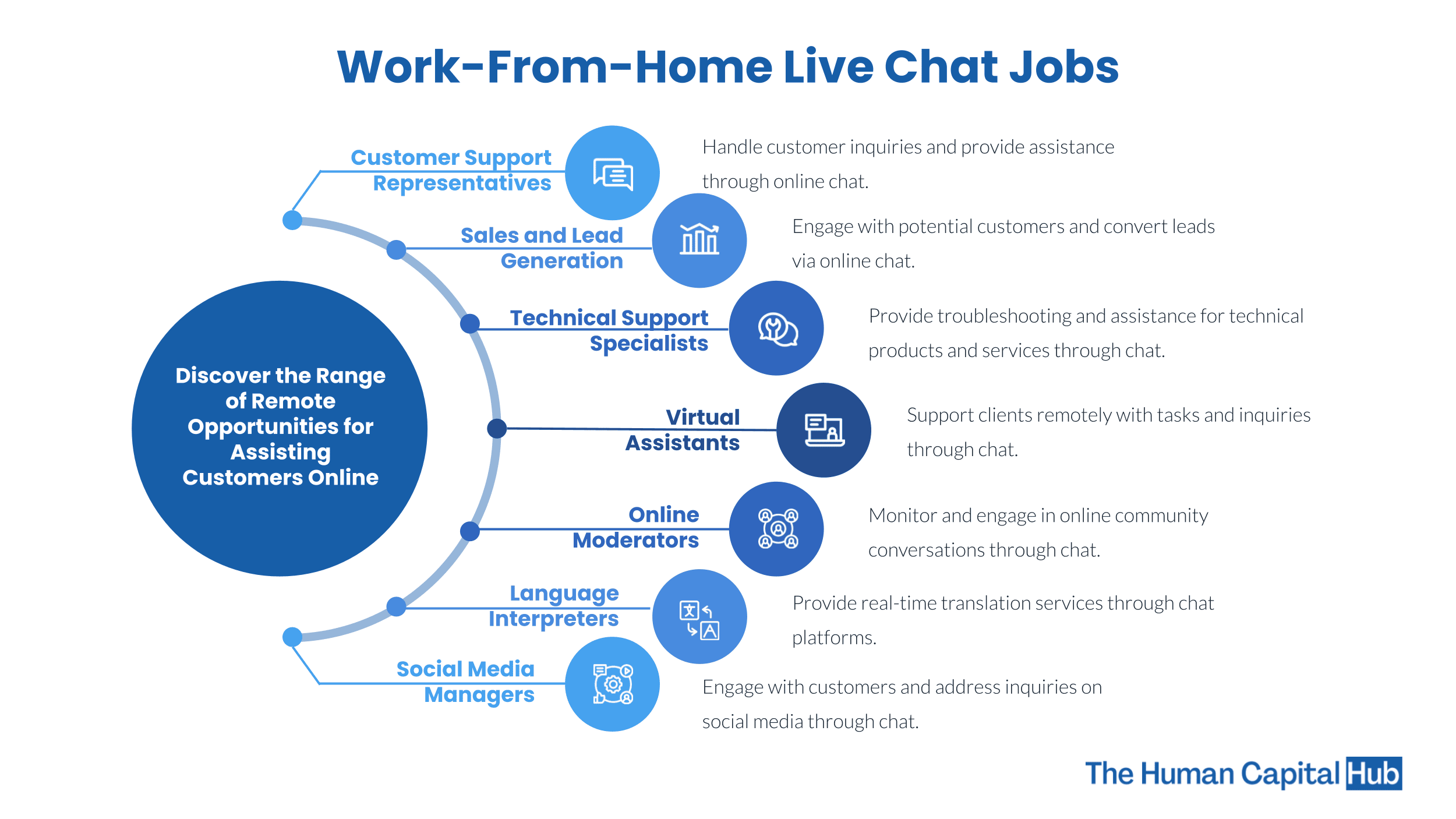
Work From Home Live Chat Operator: What You Need to Know Before Applying
The allure of working from home as a live chat operator is strong: set your own hours (sometimes), work in your pajamas, and earn a living all from the comfort of your own space. But before you start submitting applications, understand that this isn't always the glamorous picture social media paints. This guide will equip you with the knowledge you need to navigate the world of work-from-home live chat operator jobs successfully.
Essential Skills and Qualities
Landing a remote live chat operator role requires more than just the ability to type quickly. Companies seek individuals with a robust skill set. Exceptional communication skills are paramount. You'll be the face (or, rather, the text) of the company, resolving customer issues, answering questions, and navigating challenging conversations with diplomacy and patience. Think of it as customer service, but entirely text-based. You need to convey empathy and professionalism through your writing alone, clarifying complex information concisely and accurately. Beyond written communication, some companies value strong oral communication skills, especially if phone support is occasionally required.
Technical Proficiency is Key
Technical skills are another crucial component. You'll need to be comfortable using various computer programs, including customer relationship management (CRM) software, live chat platforms, and possibly internal databases. A strong internet connection is absolutely essentialâ€"interruptions and slow speeds are unacceptable. Familiarity with troubleshooting minor technical issues is also helpful, as you may encounter problems with the software or with a customer's equipment. Companies may test your technical aptitude during the application or interview process.
Realistic Expectations: It's Not Always Easy
The flexibility of working from home is a significant draw, but it's important to manage your expectations. While some roles offer flexible hours, many require you to adhere to a specific schedule, often including evenings and weekends to accommodate customer needs across different time zones. Moreover, the work can be intense. You’ll be handling a high volume of chats simultaneously, requiring excellent multitasking abilities and the capacity to remain calm under pressure. The pay may vary considerably, so research thoroughly before committing to a role. Don't be misled by unrealistic promises of earning a fortune with minimal effort.
The Importance of Research
Thorough research is vital. Before applying for any position, investigate the company's reputation, read employee reviews (sites like Glassdoor are invaluable), and clearly understand the role's requirements, including the technology used, pay rates, and expected working hours. Don't hesitate to ask questions during the application or interview process; it shows initiative and helps ensure you're a good fit for the company and the role is a good fit for you.
Preparing Your Application
Your application materials need to be top-notch. Craft a compelling resume that highlights your communication skills and relevant experience, even if it's from unrelated fields. For example, experience in customer service, tutoring, or even active participation in online communities showcases your ability to interact effectively with others. Your cover letter should be equally impressive, demonstrating your enthusiasm for the role and your understanding of the company's needs. Be prepared for assessments, such as typing tests and communication skills evaluations, to gauge your capabilities.
Showcase Your Skills
To stand out, consider creating a portfolio showcasing your communication skills. This could include samples of your writing, demonstrating your ability to communicate clearly, concisely, and professionally. If you have experience with social media management or customer service, highlight these accomplishments as well. The more you can demonstrate your skills, the better your chances of securing an interview and ultimately, the job.
By carefully considering these points, you'll significantly improve your chances of successfully navigating the application process and landing your dream work-from-home live chat operator job. Remember that preparation, realistic expectations, and a strong application are your keys to success.
Saturday, November 16, 2024
Building Your Network Within the Online Support Community

Building Your Network Within the Online Support Community
Hey everyone! So, you're diving into the world of online support communities â€" awesome! Whether you're a seasoned pro looking to expand your reach or a newbie just getting started, building a strong network within these communities is key. Think of it as cultivating your own little online village of helpful, supportive folks. It’s not just about getting your questions answered; it's about giving back, learning from others, and creating genuine connections. This isn't some magical formula, but more of a guide to help you navigate the landscape and build meaningful relationships. Let's get into it!
Understanding the Landscape: Different Communities, Different Approaches
Online support communities aren't a monolith. They vary wildly depending on the platform, the topic, and the overall vibe. Some are bustling, fast-paced hubs of information, while others are smaller, more intimate groups. Understanding the nuances of each community is the first step to effective networking.
Forums vs. Social Media Groups vs. Dedicated Platforms
Forums tend to be more structured, often with specific categories and rules. They often prioritize expertise and detailed answers. Social media groups (think Facebook groups or subreddits) are generally more casual and conversational, fostering a stronger sense of community. Dedicated platforms like Stack Overflow (for programmers) or specialized support sites for specific software have their own unique cultures and expectations.
Finding Your Niche
Don't try to be everywhere at once! Focus on a few communities that directly relate to your interests and expertise. This allows you to become a more valuable contributor and build stronger connections with like-minded individuals. It's much better to be a known and respected member of a smaller community than a ghost in a larger one.
Becoming a Valuable Contributor: It's a Two-Way Street
Networking isn't about taking; it's about giving. The more you contribute to the community, the more valuable you become, and the stronger your network will grow. Think of it like this: you're not just seeking help; you're also offering it.
Answering Questions
This is a HUGE one. When you see a question you can answer, jump in! Don't just offer a quick, one-sentence reply; provide detailed, helpful answers that demonstrate your understanding. Think quality over quantity.
Sharing Your Knowledge
Do you have a specific skill or piece of knowledge that could benefit others? Share it! Create a tutorial, write a blog post, or even just start a thread discussing a particular topic. This establishes you as an expert and attracts others who are interested in learning from you.
Participating in Discussions
Don't just lurk! Engage in conversations, share your opinions (respectfully!), and ask thoughtful questions. This helps you connect with other members and build relationships.
Building Genuine Connections: Beyond the Screen
Online communities are great, but building genuine connections requires more than just posting and replying. You need to engage authentically and show genuine interest in other members.
Engage with Individuals, Not Just Posts
Pay attention to the people behind the usernames. Notice their contributions, their interests, and their struggles. When you engage with them personally, you create a more meaningful connection. Respond directly to their comments and show that you've read and understood what they've said.
Offer Help Proactively
Don't wait for people to ask for help. If you notice someone struggling with a problem, offer your assistance proactively. This demonstrates kindness and builds goodwill.
Respect Different Perspectives
Remember that everyone has different levels of experience and knowledge. Be respectful of different opinions and approaches, even if they differ from your own. This fosters a positive and inclusive community environment.
Leveraging Your Network: Reap the Rewards
Once you've built a strong network, you can start to reap the benefits. This isn’t just about getting free help; it's about building a supportive community where you can learn, grow, and achieve your goals.
Collaboration and Mentorship
Your network can provide opportunities for collaboration on projects, mentorship relationships, and even job opportunities. You'll be surprised how many doors open when you have a strong network of supportive people.
Access to Resources and Information
Your network provides access to a wealth of information and resources that you might not otherwise have. You'll gain valuable insights, tips, and tricks from experienced members.
Building Your Professional Brand
By becoming a respected member of an online community, you’re building your professional brand. This can lead to new opportunities, increased visibility, and enhanced credibility within your field.
Maintaining Your Network: It's an Ongoing Process
Building a network is an ongoing process; it requires consistent effort and engagement. Don't just build it and forget it!
Commonly Asked Questions
Q: How long does it take to build a strong network?
A: There's no magic number! It takes time and consistent effort. Start small, focus on quality over quantity, and be patient. You'll start seeing results over time.
Q: What if I don't know the answer to a question?
A: It's okay to say you don't know! You can suggest other resources or offer to help research the answer. Honesty is always appreciated.
Q: How do I handle negative interactions?
A: Most communities have rules and moderators. Report inappropriate behavior and try to avoid engaging in negativity. Focus on positive interactions and building relationships with supportive individuals.
Q: Is it okay to promote my own business or services?
A: Generally, it's best to avoid blatant self-promotion. Focus on providing value to the community first. If your expertise naturally leads to people being interested in your services, that's great, but don't make it the primary focus of your participation.
Q: What if I don't have a lot of time?
A: Start small! Choose one or two communities to focus on, and dedicate a small amount of time each day or week to participating. Consistency is more important than spending hours online.
Building a strong network in online support communities is a rewarding experience. It’s all about building genuine connections, offering valuable contributions, and fostering a sense of community. So get out there, engage, and start building your online village!
Thursday, November 14, 2024
How to Find Online Chat Jobs Work from Home Without Experience

How to Find Online Chat Jobs Work from Home Without Experience
In today's digital age, the demand for remote work has skyrocketed, and online chat jobs have become a popular option for individuals seeking flexible and lucrative employment opportunities. If you're looking for a way to earn money from the comfort of your home without prior experience, online chat jobs can be an excellent starting point. This comprehensive guide will provide you with valuable insights and practical tips on finding and securing these remote positions.
Understanding Online Chat Jobs
Online chat jobs typically involve interacting with customers or clients through live chat platforms. These jobs can encompass a wide range of industries, from customer service and technical support to sales and marketing. Here are some common types of online chat jobs:
Customer Service Representative
Customer service representatives provide support to customers through live chat, resolving inquiries, addressing complaints, and offering solutions.
Technical Support Specialist
Technical support specialists assist users with software, hardware, or other technical issues via live chat.
Sales Representative
Sales representatives use live chat to engage with potential customers, answer questions, and promote products or services.
Virtual Assistant
Virtual assistants may handle live chat communication on behalf of businesses, providing administrative, scheduling, or other support.
Benefits of Online Chat Jobs
Online chat jobs offer numerous advantages, making them an attractive option for individuals seeking a flexible and rewarding work environment. Here are some key benefits:
Flexibility and Work-Life Balance
Online chat jobs provide a high degree of flexibility, allowing you to set your own schedule and work from anywhere with an internet connection. This flexibility can be particularly beneficial for individuals with family commitments or other responsibilities.
No Prior Experience Required
Many online chat jobs are entry-level positions, meaning that prior experience is not always a requirement. This makes them accessible to individuals from diverse backgrounds and skill sets.
Earning Potential
Online chat jobs can offer competitive pay rates, and some positions even offer performance-based bonuses or commissions. Your earning potential will depend on factors such as the company, your skills, and the hours you work.
Skills Development
Online chat jobs provide opportunities to develop valuable skills, such as communication, problem-solving, and customer service. These skills can be transferable to other career paths.
Finding Online Chat Jobs Without Experience
Finding an online chat job without prior experience may seem daunting, but with the right approach and resources, it's achievable. Here are some effective strategies:
Online Job Boards
Popular online job boards like Indeed, Monster, and CareerBuilder often list online chat job opportunities. Use relevant keywords in your search, such as "online chat," "live chat representative," or "customer service representative."
Freelance Platforms
Freelance platforms like Upwork, Fiverr, and Guru connect businesses with freelancers for a variety of services, including online chat support. Create a compelling profile highlighting your communication skills and customer service experience (even if limited).
Company Websites
Many businesses, particularly those in e-commerce and customer service industries, directly hire online chat representatives. Visit the "Careers" or "Jobs" sections of their websites to see if any open positions are available.
Social Media
Social media platforms like LinkedIn, Facebook, and Twitter can be valuable resources for finding online chat jobs. Join relevant groups, follow companies in your target industry, and network with individuals in the field.
Specialized Job Boards
Several websites specialize in listing remote work opportunities, including online chat jobs. Websites like Remote.co, FlexJobs, and Virtual Vocations can help you find niche positions.
Tips for Landing an Online Chat Job
Once you've identified potential online chat jobs, follow these tips to increase your chances of landing a position:
Craft a Professional Resume and Cover Letter
Highlight your communication skills, customer service experience (even if it's from non-professional settings), and willingness to learn. Use keywords from the job description to show your understanding of the position's requirements.
Prepare for Interviews
Practice answering common interview questions related to customer service, communication, and problem-solving. Research the company and industry to demonstrate your knowledge and enthusiasm.
Emphasize Your Communication Skills
During the interview, highlight your ability to communicate clearly, effectively, and professionally in a written format. Demonstrate your empathy and problem-solving skills, emphasizing your dedication to providing excellent customer service.
Be Patient and Persistent
Landing an online chat job may take time and effort. Don't get discouraged if you don't receive an immediate response. Continue to apply for positions, network, and polish your skills.
Essential Skills for Online Chat Jobs
While prior experience is not always a necessity, certain skills are highly valuable for success in online chat jobs. Here are some key skills to develop:
Excellent Communication Skills
You need to be able to communicate effectively and professionally in writing, using clear and concise language. Grammar and spelling accuracy are crucial.
Strong Customer Service Skills
You should be able to handle customer inquiries, resolve complaints, and provide solutions in a helpful and patient manner. Empathy and a positive attitude are essential.
Problem-Solving Abilities
You'll need to be able to think critically and find solutions to customer issues, whether technical or logistical.
Time Management and Organization
You'll need to be able to manage your time effectively and prioritize tasks to ensure you can handle multiple conversations simultaneously.
Ability to Work Independently
Online chat jobs are often remote, so you need to be self-motivated and able to work independently.
Adaptability and Flexibility
The nature of online chat jobs often involves dealing with diverse customer inquiries and situations, so being adaptable and flexible is essential.
Resources for Learning Essential Skills
If you lack experience in some of the essential skills for online chat jobs, there are resources available to help you develop them:
Online Courses
Platforms like Coursera, Udemy, and Skillshare offer online courses in customer service, communication, and other relevant skills.
Online Tutorials and Articles
Numerous websites provide free tutorials and articles on customer service best practices, communication skills, and problem-solving techniques.
Practice with Friends and Family
Ask friends or family members to role-play customer service scenarios with you to practice your communication and problem-solving skills.
Conclusion
Finding online chat jobs work from home without experience is attainable with the right approach. By understanding the nature of these jobs, leveraging online resources, and developing essential skills, you can increase your chances of landing a rewarding remote position. Remember to be patient, persistent, and dedicated to honing your communication and customer service abilities. With the right mindset and effort, you can embark on a fulfilling career in the world of online chat work.
A Beginner’s Guide to Online Chat Jobs Work from Home

Beginner's Guide to Online Chat Jobs - Work From Home and Get Paid
Hey there! So you're thinking about ditching the commute and starting a work-from-home gig, huh? Maybe you're looking for a side hustle, or maybe you're looking for a full-time career change. Whatever your reason, online chat jobs could be a great fit! But where do you even begin? Don't worry, I've got you covered. This is your guide to the exciting world of virtual customer service, and we're about to break down everything you need to know.
What are online chat jobs?
Think of online chat jobs as a modern take on customer service. You're basically the friendly face of a company, but instead of being at a desk in an office, you're at your computer (or phone) at home! You'll be chatting with customers, answering questions, resolving issues, and generally providing stellar customer service. The best part? You get to do it all from the comfort of your own home, in your pajamas if you want.
Types of online chat jobs
Online chat jobs come in all shapes and sizes. Here are some of the most common types:
Live Chat Support
This is the classic online chat job. You'll be working with a company's live chat feature on their website or app. Think of it like answering questions on the phone, but through a text-based chat interface. Customers can ask about products, shipping, returns, you name it!
Social Media Moderation
Ever scroll through social media and wonder how they keep the comments clean? Well, that's where social media moderators come in. They monitor social media platforms, respond to comments and messages, and keep things running smoothly.
Virtual Assistant
Virtual assistants are like the jack-of-all-trades of the online world. They provide administrative, technical, or creative support to clients. Some virtual assistants specialize in chat support, handling inquiries and providing excellent customer service.
Online Tutor
If you're knowledgeable in a particular subject, you can offer your expertise as an online tutor. You'll be teaching students through live chat sessions, helping them learn new concepts and improve their skills.
What skills do I need for online chat jobs?
You don't need a fancy degree or years of experience to land a great online chat job. But there are a few essential skills that will help you thrive in this role:
- Excellent communication skills: This is a must! You'll be communicating with customers through text, so clear and concise writing is key.
- Strong problem-solving skills: You'll be handling customer inquiries and issues, so you need to be able to think on your feet and find solutions.
- Patience and empathy: Dealing with customers can be challenging at times, so it's important to be patient and empathetic. Remember, you're representing the company, so keep your cool even when things get tough.
- Computer proficiency: You'll be working on a computer all day, so basic computer skills are essential. This includes familiarity with different software programs and navigating the internet.
- Adaptability: The online world is constantly changing, so you need to be adaptable and learn new things quickly. Be open to new software, technologies, and ways of working.
How to find online chat jobs
Now that you know what online chat jobs are and what skills you need, it's time to start your job search. Here are some great places to look:
- Job boards: Sites like Indeed, Monster, and FlexJobs are great resources for finding online chat jobs. Just be sure to filter your search by "remote" or "work from home."
- Company websites: Many companies hire customer service representatives directly through their website. Check out the "Careers" or "Jobs" section to see if they have any open positions.
- Freelancing platforms: Sites like Upwork and Fiverr connect freelancers with clients who need help with various tasks, including online chat support.
- Social media: Follow industry-specific groups and pages on platforms like LinkedIn and Twitter. You might find job postings or opportunities posted there.
- Networking: Talk to your friends and family. You might be surprised to find that someone knows of an open position at a company that needs help with online chat.
What to expect when applying for online chat jobs
The application process for online chat jobs can vary depending on the company, but here's what you can generally expect:
- Online application: You'll typically fill out an online application form, providing your contact information, resume, and cover letter.
- Skills assessment: Some companies use online assessments to test your communication skills, typing speed, and problem-solving abilities.
- Interview: If you make it past the initial screening, you'll likely have a phone or video interview. Be prepared to answer questions about your experience, skills, and why you're interested in the job.
- Background check: Many companies will conduct a background check to verify your identity and criminal history.
- Training: Once you're hired, you'll usually receive training on the company's products, services, and customer service policies.
Tips for success in online chat jobs
You've got the job, you're all set up, now what? Here are some tips to help you succeed in your new role:
- Be professional: Even though you're working from home, you're still representing a company. Maintain a professional demeanor in your writing, avoid using slang or casual language, and always be respectful to customers.
- Be responsive: Customers expect quick responses, so aim to respond to inquiries within a reasonable timeframe. Don't let chat windows sit open for too long.
- Be helpful: Your goal is to provide excellent customer service. Go the extra mile to help customers find what they need and resolve their issues. Don't just answer questions, aim to exceed expectations.
- Take breaks: Working from home can be isolating. Take regular breaks to stretch, move around, and get some fresh air. It will help you stay focused and avoid burnout.
- Stay organized: Set up a dedicated workspace, use tools to help you manage your tasks, and stay on top of your deadlines. Good organization will make your work life much smoother.
The pros and cons of online chat jobs
Like any job, online chat jobs have their pros and cons. Here's a quick rundown to help you decide if it's the right fit for you:
Pros:
- Work from home: This is the biggest perk! You can work from anywhere with an internet connection.
- Flexible schedule: Many online chat jobs offer flexible hours, allowing you to work around your other commitments.
- No commute: Say goodbye to traffic jams and long commutes. You can spend more time doing the things you love.
- Good earning potential: Depending on the company and your experience, you can earn a decent income from online chat jobs.
- Learn new skills: You'll learn valuable customer service skills and gain experience with different software and communication platforms.
Cons:
- Can be isolating: Working from home can be lonely, especially if you don't have regular interaction with colleagues.
- Can be demanding: Customer service can be stressful, and dealing with difficult customers can be emotionally draining.
- Requires self-discipline: You need to be self-motivated and organized to stay productive when working from home.
- May not be suitable for everyone: If you prefer face-to-face interaction or a more structured work environment, online chat jobs may not be the best fit.
Final thoughts
Online chat jobs can be a great way to earn money, work from home, and gain valuable experience. If you're looking for a flexible, rewarding, and potentially lucrative career, this could be the right path for you. Just remember to do your research, practice your skills, and be prepared for the challenges that come with any job. And who knows, you might even find that you love the world of virtual customer service!